Introduction
If you're a woman over 40 struggling with weight around your midsection, you're not alone. Abdominal fat is one of the most common — and frustrating — complaints among women in this age group, and it often feels like it appears overnight despite unchanged eating and exercise habits. The reason? Hormones, particularly estrogen decline and elevated cortisol, play a central role in why do women gain belly fat hormones cortisol, making this type of weight gain uniquely challenging to address with diet and exercise alone.
Unlike the fat distribution patterns of younger years, stubborn abdominal fat in women is deeply connected to hormonal shifts that accelerate around perimenopause and menopause. This isn't simply a matter of willpower or calorie counting — it's a biological reality shaped by your endocrine system. Understanding the mechanisms behind this fat storage pattern is the first step toward addressing it effectively.
The Hormonal Blueprint: Why Belly Fat Accumulates in Women
The primary culprit behind stubborn belly fat in women is estrogen decline. As women approach menopause, estrogen levels drop significantly, triggering a metabolic shift that favors fat storage around the abdomen rather than the hips and thighs — where fat was more readily stored during reproductive years. A 2016 study published in the Journal of Clinical Endocrinology & Metabolism found that postmenopausal women show a marked increase in visceral adiposity (deep abdominal fat) compared to premenopausal women, even when overall body weight remained stable.
Cortisol, the primary stress hormone, amplifies this problem significantly. When cortisol levels remain chronically elevated — a common scenario for busy women managing careers, family responsibilities, and aging parents — the body preferentially stores fat in the abdominal region. Cortisol signals the body to preserve energy in areas closest to vital organs, and it simultaneously increases appetite and cravings for high-calorie foods. A 2014 study in Nutrients journal demonstrated that chronic stress and elevated cortisol are independently associated with increased visceral fat accumulation, particularly in women.
Additionally, insulin resistance develops more readily during this life stage. As estrogen declines, the body's ability to utilize insulin efficiently diminishes, causing blood sugar dysregulation and increased fat storage. Thyroid function often slows as well, reducing metabolic rate by 5-8% per decade after age 30. These interconnected hormonal shifts create a perfect storm for abdominal weight gain that responds poorly to conventional diet and exercise strategies alone.
Recognizing the Signs: How Hormonal Belly Fat Differs
Hormonal belly fat has distinct characteristics that set it apart from other weight gain patterns. The most obvious sign is localized fat accumulation specifically around the midsection — your waistline expands while your arms and legs remain relatively unchanged. This visceral fat sits deeper than subcutaneous fat (the pinchable kind), which is why hormonal belly fat often feels harder and more difficult to lose through traditional methods.
Women experiencing cortisol-driven weight gain frequently report additional symptoms that cluster together: unexplained fatigue despite adequate sleep, difficulty concentrating or "brain fog," increased food cravings (especially for sugar and carbohydrates), interrupted sleep patterns, and a tendency to gain weight despite maintaining the same calorie intake as previous years. Some women notice their clothes fit differently in the midsection while other areas remain stable, or they experience a progressive "thickening" around the waist that doesn't respond to their usual fitness routine.
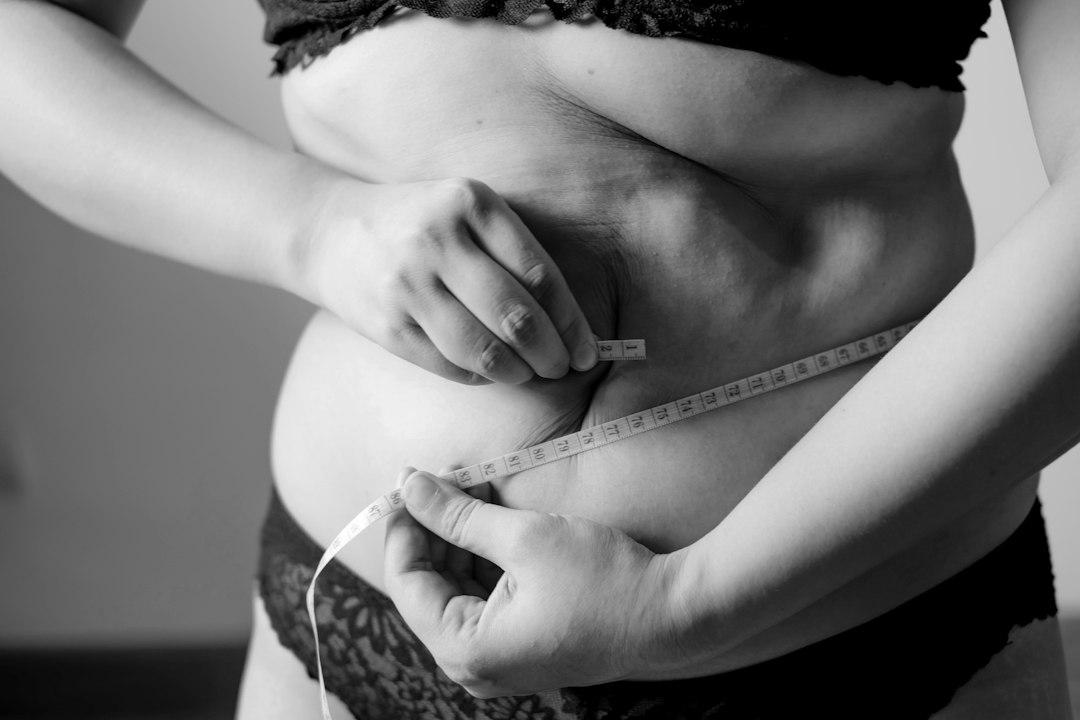
Other hormonal indicators include irregular or skipped periods, mood changes, night sweats, or hot flashes — signs that estrogen and progesterone fluctuations are underway. Some women also experience bloating, water retention, or a sensation of heaviness in the abdominal area. A practical way to assess whether you're dealing with hormonally-driven belly fat is to measure your waist circumference: a waist measurement above 35 inches in women is associated with increased health risks and often reflects significant visceral fat accumulation. If these signs resonate with your experience, understanding why do women gain belly fat hormones cortisol becomes essential to your health strategy.
The Bigger Picture: How Stubborn Abdominal Fat Affects Your Health and Daily Life
Visceral abdominal fat isn't merely a cosmetic concern — it poses genuine health risks. Unlike subcutaneous fat, visceral fat is metabolically active tissue that produces inflammatory compounds and affects how your body processes hormones and glucose. Research in Circulation journal has shown that women with excess visceral fat face higher risks of cardiovascular disease, type 2 diabetes, fatty liver disease, and certain cancers, independent of overall body weight.
Beyond health metrics, many women report that stubborn belly fat significantly impacts daily quality of life. Clothes that fit well become uncomfortable, leading to wardrobe adjustments and diminished confidence. Physical activities that were once enjoyable — bending down, climbing stairs, or exercising comfortably — may feel different with increased abdominal weight. Some women experience lower back discomfort or postural changes as their center of gravity shifts.
The psychological toll shouldn't be underestimated either. The frustration of maintaining the same exercise routine and diet as always, yet watching the scale creep upward or seeing body composition change, can be demoralizing. Many women report feeling powerless or confused, wondering what they're doing "wrong" when, in reality, their hormonal environment has fundamentally shifted. This disconnect between effort and results is one reason why standard weight loss advice often fails during this life stage.
Lifestyle Strategies That Address Hormonal Belly Fat
While hormonal shifts are real, they're not destiny. Several lifestyle modifications specifically target the mechanisms driving abdominal fat accumulation. The first priority is stress management and cortisol reduction. Since chronic stress perpetuates elevated cortisol and visceral fat storage, consistent practices that activate the parasympathetic nervous system are essential. This includes meditation, deep breathing exercises, progressive muscle relaxation, yoga, or tai chi — practices shown in multiple studies to lower cortisol levels and reduce stress-related belly fat.
Sleep quality is equally critical. A 2019 study in the American Journal of Clinical Nutrition found that insufficient sleep duration and poor sleep quality are associated with increased visceral adiposity in women, independent of calorie intake. Prioritizing 7-9 hours of consistent, good-quality sleep supports hormonal balance and reduces cortisol. This means establishing a regular sleep schedule, limiting screen time before bed, and creating a cool, dark sleep environment.
Exercise matters, but the type is important. While high-intensity interval training (HIIT) is effective, moderate-intensity aerobic exercise combined with resistance training yields superior results for visceral fat reduction specifically. A 2015 study in PLoS One demonstrated that resistance training preserved muscle mass while reducing visceral fat, even without weight loss. For women experiencing hormonal shifts, this combination maintains metabolic rate while directly targeting abdominal fat accumulation.
Finally, addressing insulin resistance through lifestyle changes helps. This means reducing refined carbohydrates, increasing fiber intake, and consuming adequate protein at each meal — strategies that stabilize blood sugar and reduce the insulin resistance that fuels abdominal fat storage during hormonal transition.
Nutritional Approaches: Diet Modifications for Hormonal Balance
Dietary choices significantly influence both cortisol levels and visceral fat accumulation. A diet high in ultra-processed foods, added sugars, and refined carbohydrates perpetuates blood sugar dysregulation and sustained cortisol elevation. Conversely, a whole-food-based approach emphasizing specific nutrients can support hormonal balance and reduce abdominal fat.
Phytoestrogen-rich foods — such as flaxseeds, soy products, and legumes — provide compounds that weakly mimic estrogen, potentially easing some symptoms of estrogen decline. While they won't replace the hormone itself, they may provide modest support during transition. Cruciferous vegetables like broccoli, Brussels sprouts, and cabbage support estrogen metabolism through their indole content, helping the body process estrogen more efficiently.
Omega-3 fatty acids from fatty fish, walnuts, and flaxseeds are potent anti-inflammatory compounds that directly counter the inflammatory state perpetuated by visceral fat. Multiple studies show omega-3 supplementation correlates with reduced visceral adiposity and improved metabolic markers. Magnesium-rich foods — leafy greens, almonds, pumpkin seeds, and dark chocolate — support stress resilience and healthy cortisol patterns, making them particularly valuable during high-stress periods.
Protein intake deserves special emphasis. A higher protein diet supports muscle preservation (essential as metabolic rate naturally declines), increases satiety, and has a higher thermic effect than carbohydrates or fat. Aim for 25-30 grams of protein per meal, distributed throughout the day. This is why many women find that increasing protein while reducing refined carbohydrates yields better results than simple calorie restriction during hormonal transition. Additionally, certain supplements formulated to address the nutritional gaps most common in women managing cortisol and hormonal balance — such as All Day Slimming Tea — provide targeted support alongside dietary changes.
Frequently Asked Questions
Why do I gain belly fat even when my diet and exercise haven't changed?
Hormonal shifts, primarily declining estrogen and elevated cortisol, fundamentally alter how your body distributes and stores fat. These changes occur independently of behavior, meaning you can maintain identical habits while your body's metabolic response changes. This is particularly pronounced during perimenopause and menopause, when estrogen decline triggers preferential abdominal fat storage.
Does belly fat respond differently to exercise than other weight gain?
Yes. Visceral abdominal fat is particularly responsive to aerobic exercise and resistance training, but less responsive to diet alone compared to subcutaneous fat. This means exercise becomes especially important for abdominal fat reduction during hormonal transition, whereas diet modifications alone may yield slower results for this specific fat depot.
Can supplements help with cortisol-related belly fat?
Certain nutrients and plant compounds support healthy cortisol patterns and stress resilience, which can indirectly support fat management. However, supplements work best alongside lifestyle modifications like stress management, sleep optimization, and dietary changes. No supplement replaces these foundational practices.
Moving Forward With Confidence
Understanding why do women gain belly fat hormones cortisol empowers you to approach this challenge from an evidence-based perspective rather than self-blame. The stubborn abdominal fat many women experience during midlife isn't a personal failure — it's a predictable biological response to hormonal shifts that can be addressed through targeted lifestyle interventions.
The combination of stress management, sleep optimization, appropriate exercise, and nutritional support creates an environment where your body can more readily release abdominal fat. Progress may feel slower than in your younger years, but consistency with these strategies yields real results. If you're exploring additional nutritional support alongside these lifestyle modifications, All Day Slimming Tea offers a formulated approach based on the nutritional principles discussed throughout this article.
Dealing with stubborn belly fat during midlife can feel frustrating, especially when standard advice isn't working. All Day Slimming Tea is formulated with ingredients specifically selected to support the hormonal balance and stress management discussed in this article. Explore the full breakdown to see if it complements your wellness strategy.