Introduction
That uncomfortable, puffy feeling in your stomach isn't always about what you ate—sometimes it's about what your body is doing with water and gas. Bloating and water retention affect millions of adults over 40, and the frustration is real. Your clothes fit differently, you feel sluggish, and that swollen sensation can last for hours or even days. The good news is that understanding why this happens is the first step toward relief. Most cases of bloating and water retention are tied to everyday habits and dietary choices that you can actually control. In this article, we'll explore the science behind that uncomfortable swollen feeling and share evidence-based strategies for how to reduce bloating and water retention naturally. You don't need expensive medications or extreme measures—simple, sustainable changes often work best.
What Causes Bloating and Water Retention?
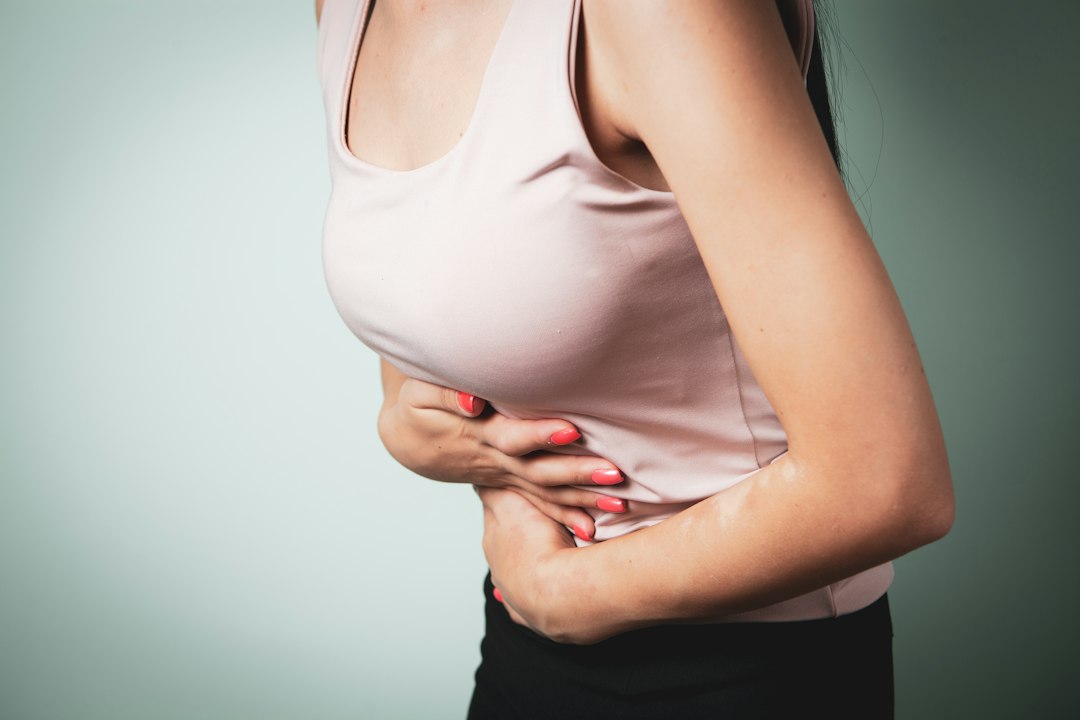
Bloating occurs when your digestive tract fills with gas, making your abdomen feel tight and uncomfortable. Water retention, also called fluid retention or edema, happens when your body holds onto excess water in tissues rather than excreting it normally. These two conditions often occur together, but they have different underlying causes.
Several factors contribute to bloating in adults. Eating too quickly without chewing thoroughly sends larger food particles into your digestive system, making it harder for your stomach to break down. High-sodium foods cause your body to retain water as it tries to maintain electrolyte balance. Carbonated beverages introduce gas directly into your digestive tract. Certain foods—particularly cruciferous vegetables like broccoli and cabbage, beans, and foods high in fiber—ferment in your gut and produce gas as a natural byproduct of digestion.
Water retention is often triggered by hormonal changes. Women over 40 experience fluctuations in estrogen that affect how your kidneys handle sodium and water. Poor circulation, inadequate movement, and prolonged sitting can all prevent your lymphatic system from draining fluid properly. Dehydration paradoxically causes water retention—when you don't drink enough water, your body compensates by holding onto the fluid it has. A 2019 study published in Nutrients found that sodium intake, alcohol consumption, and insufficient potassium in the diet were major contributors to water retention in middle-aged adults. Finally, inflammation from food sensitivities or digestive issues can cause both bloating and fluid retention simultaneously.
Signs and Symptoms You Should Recognize
Bloating and water retention present with distinct but sometimes overlapping symptoms. Bloating typically feels like tightness or fullness in your abdomen, often accompanied by visible swelling that appears throughout the day. You might notice your stomach protrudes more than usual, pants feel snug, or you experience gas, burping, or stomach discomfort. Bloating usually peaks after meals and may improve after a bowel movement or as the day progresses.
Water retention shows up differently. You'll notice puffiness in your face, hands, ankles, or feet—areas where fluid accumulates due to gravity or poor circulation. Unlike bloating, water retention tends to be more persistent and visible in the morning before you've moved around. Your rings might feel tight, your shoes pinch, or your face looks swollen. You might also notice weight fluctuations of several pounds day to day, which usually indicates fluid rather than fat changes.
Some people experience both simultaneously, creating a doubly frustrating situation. You might have a bloated belly combined with puffy ankles and swollen fingers. A 2018 review in the American Journal of Gastroenterology noted that functional bloating—bloating without an underlying disease—affects up to 30% of adults and often coexists with water retention, particularly in women experiencing hormonal fluctuations.
Pay attention to when symptoms occur. Do they happen after specific meals? Do they worsen in the afternoon? Do they coincide with your menstrual cycle? These patterns help you identify triggers and determine whether lifestyle changes alone will solve the problem or whether you need additional support.
How Bloating and Water Retention Impact Your Daily Life
The effects of persistent bloating and water retention go beyond physical discomfort. Many adults report that these conditions affect their confidence and quality of life. Clothes don't fit right, photos look unflattering, and you might avoid social situations or activities you normally enjoy. The psychological impact shouldn't be minimized—feeling uncomfortable in your own body creates stress that actually perpetuates the problem.
Physically, bloating can make you feel fatigued. Your digestive system is working hard, and the discomfort distracts you from focus and productivity. Water retention makes movement feel heavier and more difficult, potentially discouraging exercise—which ironically makes water retention worse since movement helps drain fluid through your lymphatic system.
For adults over 40, these issues often coincide with other health concerns like slower metabolism or changing hormone levels. This intersection means that bloating and water retention might feel like an inevitable part of aging—but they're not. The conditions are manageable through targeted lifestyle interventions. Many people find that once they address bloating and water retention, they feel more energized, motivated to exercise, and confident in their appearance. This positive momentum often leads to other healthy habits that benefit overall wellbeing.
Natural Approaches to Reduce Bloating and Water Retention
The most effective way to how to reduce bloating and water retention naturally starts with fundamental lifestyle changes that support your digestive and urinary systems.
Hydration is crucial. This seems counterintuitive when you're retaining water, but drinking adequate water—typically 8-10 glasses daily, more if you're active—actually encourages your kidneys to excrete excess water and sodium. Dehydration triggers your body to hold onto fluid, so consistent hydration is one of the most powerful interventions available.
Movement and circulation matter significantly. Walking, swimming, or any activity that gets you moving helps your lymphatic system drain fluid and prevents the stagnation that causes retention. A 2020 study in the Journal of Sports Sciences found that just 30 minutes of moderate activity daily reduced water retention markers in sedentary adults over 40.
Elevate your legs when resting to counteract gravity's role in pooling fluid in your lower body. Lying on your back with legs elevated for 10-15 minutes can provide immediate relief.
Reduce sodium intake strategically. While your body needs some sodium, excess salt causes fluid retention. Check packaged foods—many contain surprising amounts of sodium. Cook at home more often, use herbs and spices instead of salt, and gradually reduce your palate's salt preference.
Manage stress and sleep. Poor sleep and chronic stress elevate cortisol, a hormone that promotes water retention and inflammation. Aim for 7-9 hours of quality sleep nightly and incorporate stress-reduction practices like meditation or gentle yoga. This creates hormonal balance that naturally reduces bloating and fluid retention.
Dietary Choices That Support Natural Relief
What you eat directly influences bloating and water retention. Certain nutrients and food patterns have stronger evidence for effectiveness than others.
Potassium-rich foods are essential because potassium counterbalances sodium and promotes healthy fluid regulation. Bananas, sweet potatoes, spinach, avocados, and beans are excellent sources. Research published in Hypertension (2017) showed that increasing potassium intake reduced water retention more effectively than simply restricting sodium alone.
Magnesium supports digestive function and reduces bloating. Dark leafy greens, pumpkin seeds, almonds, and dark chocolate contain magnesium. A 2015 study in Nutrients found that magnesium supplementation reduced bloating symptoms in women with functional bloating disorder.
Fiber—but with strategy. While fiber is essential for digestive health, adding too much too quickly causes bloating. Increase fiber gradually over several weeks, and ensure you're drinking enough water to help fiber move through your system efficiently. Soluble fiber (from oats, apples, and legumes) is generally gentler than insoluble fiber initially.
Probiotic foods support a healthy gut microbiome. Yogurt, kefir, sauerkraut, and kimchi contain beneficial bacteria that improve digestion and reduce gas production. A 2018 meta-analysis in Gastroenterology Research and Practice showed that probiotics reduced bloating symptoms in most study participants.
Ginger and peppermint tea have demonstrated benefits for digestive comfort. Both improve gastric emptying and reduce gas. Drinking a cup of either tea after meals can noticeably reduce post-meal bloating. For those interested in comprehensive nutritional support, All Day Slimming Tea contains ingredients traditionally used to support digestive function, making it worth considering as part of a broader approach.
Limit trigger foods temporarily. For some people, wheat, dairy, or high-FODMAP foods trigger bloating. An elimination diet—removing these foods for 2-3 weeks, then reintroducing them one at a time—helps identify personal sensitivities. Keep a food diary to track patterns between eating and bloating symptoms.
Frequently Asked Questions
How long does it take to see results from lifestyle changes? Most people notice improvement in bloating within 3-5 days of implementing dietary and hydration changes. Water retention takes longer—typically 1-2 weeks of consistent effort before significant improvement appears. Hormonal water retention tied to menstrual cycles may take a full cycle or two to noticeably improve as your body adjusts to new patterns.
Is bloating always a dietary issue, or could it indicate something serious? While diet is the most common cause, persistent bloating accompanied by pain, changes in bowel habits, unexplained weight loss, or other symptoms warrants a conversation with your healthcare provider. These could indicate conditions like irritable bowel syndrome, food intolerance, or other digestive disorders requiring professional assessment.
Can supplements help with bloating and water retention? Certain supplements—including digestive enzymes, probiotics, and specific herbal formulas—show promise in research. However, they work best alongside dietary and lifestyle changes, not as replacements for them. Always discuss new supplements with your healthcare provider, especially if you take medications.
Moving Forward with Confidence
Bloating and water retention are frustrating, but they're remarkably responsive to the right approach. Most people don't need complex solutions—they need consistency with the fundamentals: hydration, movement, appropriate sodium and potassium balance, and foods that support rather than challenge digestion.
Start with one or two changes this week. Maybe it's drinking an extra glass of water daily and taking a 20-minute walk. Next week, add another change—perhaps incorporating more potassium-rich foods or reducing packaged foods. This gradual approach feels sustainable and prevents the overwhelm that derails most health efforts.
Track your progress. Notice how your clothes fit, how your energy levels shift, and how your body responds to different foods and activities. This awareness becomes your personal guide for maintaining relief long-term.
If you've tried basic lifestyle adjustments and still struggle with bloating and water retention, targeted nutritional support might help. All Day Slimming Tea is designed with ingredients that address some of the root causes discussed throughout this article. Learn more about its formulation and see if it might complement your current approach to naturally reducing bloating and water retention.
Related Reading
Green Tea Catechins and Weight Management: The Science Behind the Benefits
Slow Metabolism After 40: Natural Ways to Boost Metabolic Health